

In my previous article, Is the Film Industry Going Through a Creative Dry Spell?, I discussed how both film and television had fallen into a cycle of remakes, sequels and familiar formulas, often at the expense of original, nuanced storytelling.
At the time, it felt as though the industry had become increasingly reluctant to taking creative risks. Yet only halfway through 2026, I have found myself pleasantly surprised at what seems to be a new course of action within the industry. This year has already delivered a number of refreshing and ambitious projects that suggest the industry may finally be moving in a more exciting direction.
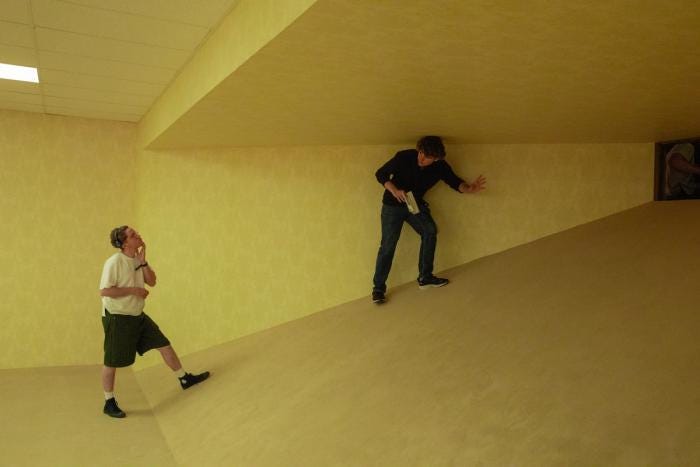
Two filmmakers in particular have stood out: Curry Baker, director of Obsession, and Kane Parsons, director of Backrooms.
Both in their twenties, they have become the first Gen Z filmmakers to top the US box office. What makes their success even more remarkable is that both began their careers creating content on YouTube before making the leap to feature filmmaking.
Rather than relying on massive budgets or established franchises, they have both achieved success through originality, vision and risk-taking.
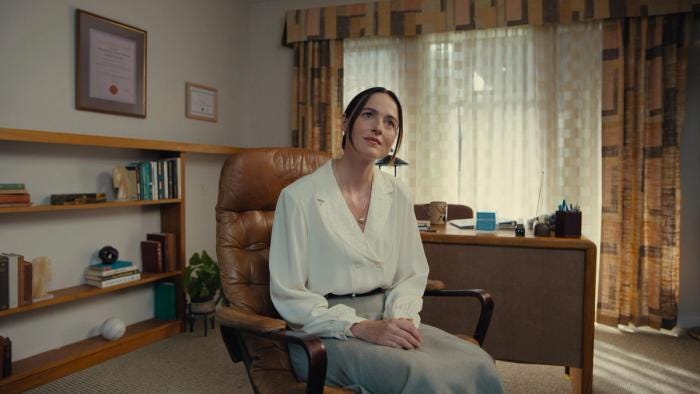
Released on 15 May, Obsession was produced on a modest budget of just $750,000. In a short amount of time it has grossed an astonishing $403 million at the global box office as of 5 July. This achievement doesn’t just exceed post-pandemic results, Obsession in now the highest-grossing film with a production budget under $1 million.
The movie is a supernatural psychological thriller that explores the disturbing consequences of using magic to bypass consent and force someone to fall in love. While the premise of a magical wish is hardly groundbreaking, the film’s writing, execution and tension elevate it into something far more compelling.
It also introduced audiences to exciting new talent, particularly Inde Navarrette, whose performance helped bring the story to life. Obsession is proof that originality and strong storytelling can achieve what enormous marketing budgets often cannot.
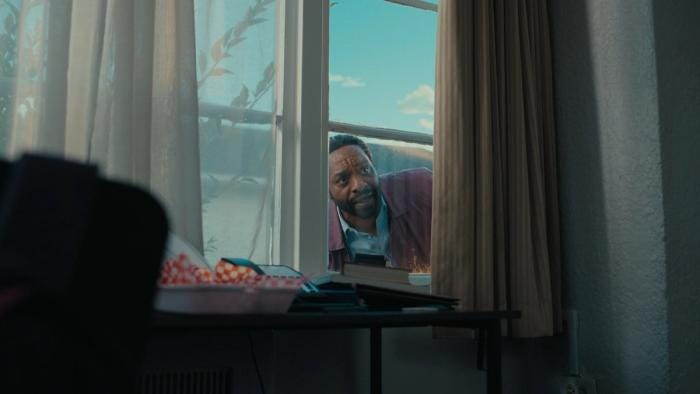
Similarly impressive is Backrooms. Produced by A24 and made with approximately $10 million, the film debuted on 29 May and has grossed $357 million globally as of 5 July. Having opened with $81.5 million domestically, Backrooms was already A24’s biggest opening weekend and is now their top grossing movie of all time both domestically and globally.
A slow-burning psychological horror, Backrooms masterfully captures a sense of isolation and claustrophobia that lingers long after the credits roll.
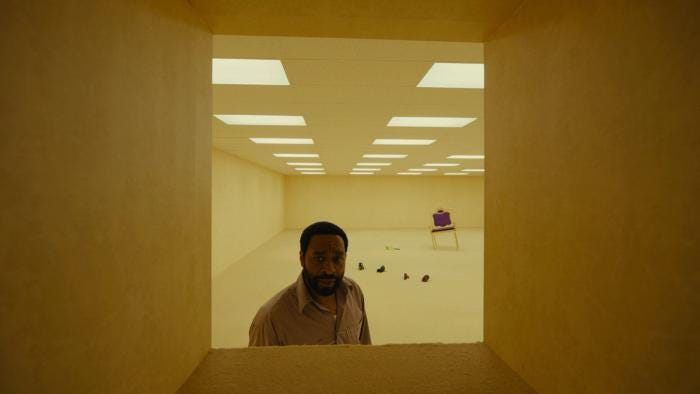
The concept originated from a 2002 photograph of an empty, fluorescent-lit furniture store, which later inspired an extensive online horror mythology centred around accidentally slipping out of reality and into an endless maze of identical rooms.
While the concept itself was already familiar to many internet users, Parsons’ achievement lies in transforming that digital folklore into a thoughtful and deeply unsettling cinematic experience.
Watching Backrooms feels like trying to explain a dog to someone who has never seen one, it is strange, disorientating and difficult to fully capture in words.
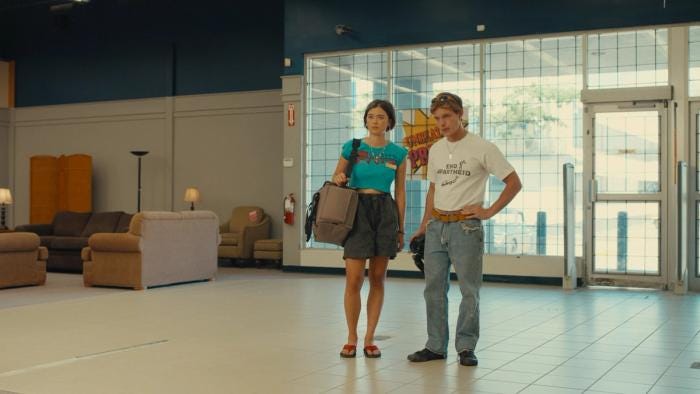
The success of films like Obsession and Backrooms highlights something the industry desperately needs to remember: taking chances on new voices pays off.
For years, audiences have been served a steady stream of familiar intellectual properties, often accompanied by ballooning production budgets. Yet these films demonstrate that creativity, talent and a distinctive perspective matter far more than the size of a studio’s cheque book. Increasingly, smaller productions are proving that innovation, not expenditure, is the true key to creating memorable cinema.
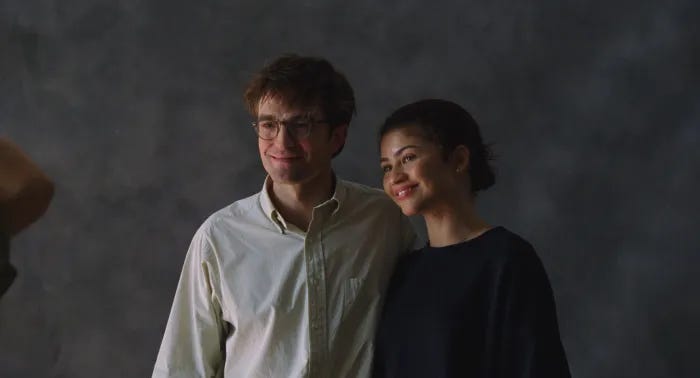
Another honourable mention in this encouraging run of original films is The Drama, directed by Kristoffer Borgli.
Beyond the outstanding performances from Zendaya and Robert Pattinson, the film genuinely caught me off guard. In an era when many plots feel predictable from the opening act, The Drama managed to surprise me repeatedly.
It takes the phrase “we listen and we don’t judge” and turns it on its head.
In this case, we absolutely should judge, and that is precisely what makes it so entertaining.
As a fan of horror and psychological thrillers, this new wave of filmmaking has given me a great deal of optimism. It has been a long time since I left a cinema genuinely unsettled, challenged or excited by what I had just watched.
The arrival of Gen Z filmmakers such as Barker and Parsons (alongside actor counterparts like Obsession’s Inde Navarrette and Backrooms’ Lukita Maxwell) suggests that a new generation is beginning to reshape the industry, bringing fresh ideas and different perspectives with them.
Studios such as A24, responsible for both Backrooms and The Drama, deserve credit for championing unusual and ambitious projects.
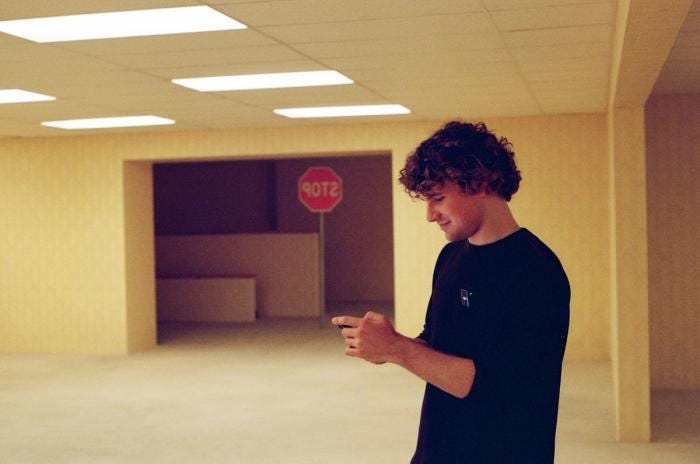
Equally important, however, are smaller independent companies such as Tea Shop Productions, whose work on Obsession demonstrates that innovation is not exclusive to major studios.
Together, these filmmakers and production companies are helping to restore something that cinema has been missing for quite some time: the courage to take risks.
Edited by Emily Duff