

Supergirl proves the future of superhero films is female
by Iasmina Ionescu
After Milly Alcock’s scene-stealing cameo in James Gunn’s Superman last year, my anticipation for Supergirl couldn’t have been higher.
Thankfully, her standalone debut proves the new DC Universe doesn’t need to rely solely on Superman. Equally punchy and full of personality, Kara Zor-El brought a whole new vibe to the DC Universe.
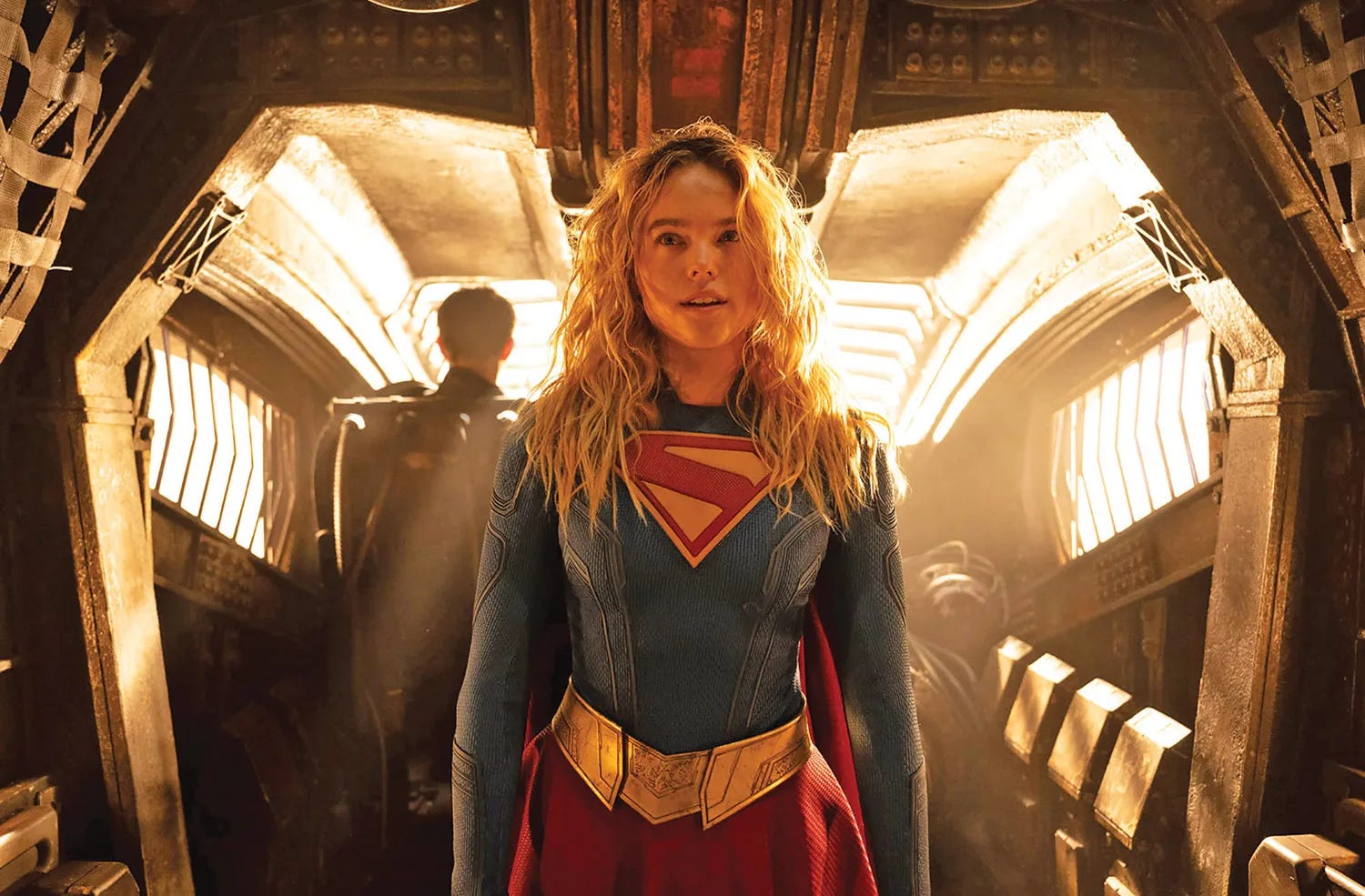
Firstly, I immediately appreciated the immense talent of both Milly Alcock (Kara Zor-El) and Eve Ridley (Ruthye Marye Knoll), as well as the representation of younger talent taking leading roles on the big screen.
In 2025’s top 100 films, only 39% had a female lead – down from 55% in 2024 (USC Annenberg Inclusion Initiative, 2026), though up from just 20% in 2007. Hollywood clearly still defaults to men, yet this film completely defied that - and I absolutely loved it.
Providing a platform for the younger generation, especially those of a similar age to Eve Ridley (15), is extremely important and sends a message to casting directors across the globe that we want to see more.
With a late-70s/early-80s futurist cinematography feel, the set design and costumes in Supergirl lean more towards intergalactic sci-fi than traditional superhero fare, which isn’t a bad thing at all.
Prepare yourself for an almost Star Wars and Star Trek-inspired design experience: excellent use of lighting to create distinct atmospheres across new planets, incredible CGI and costume design, and a truly nostalgic feel.
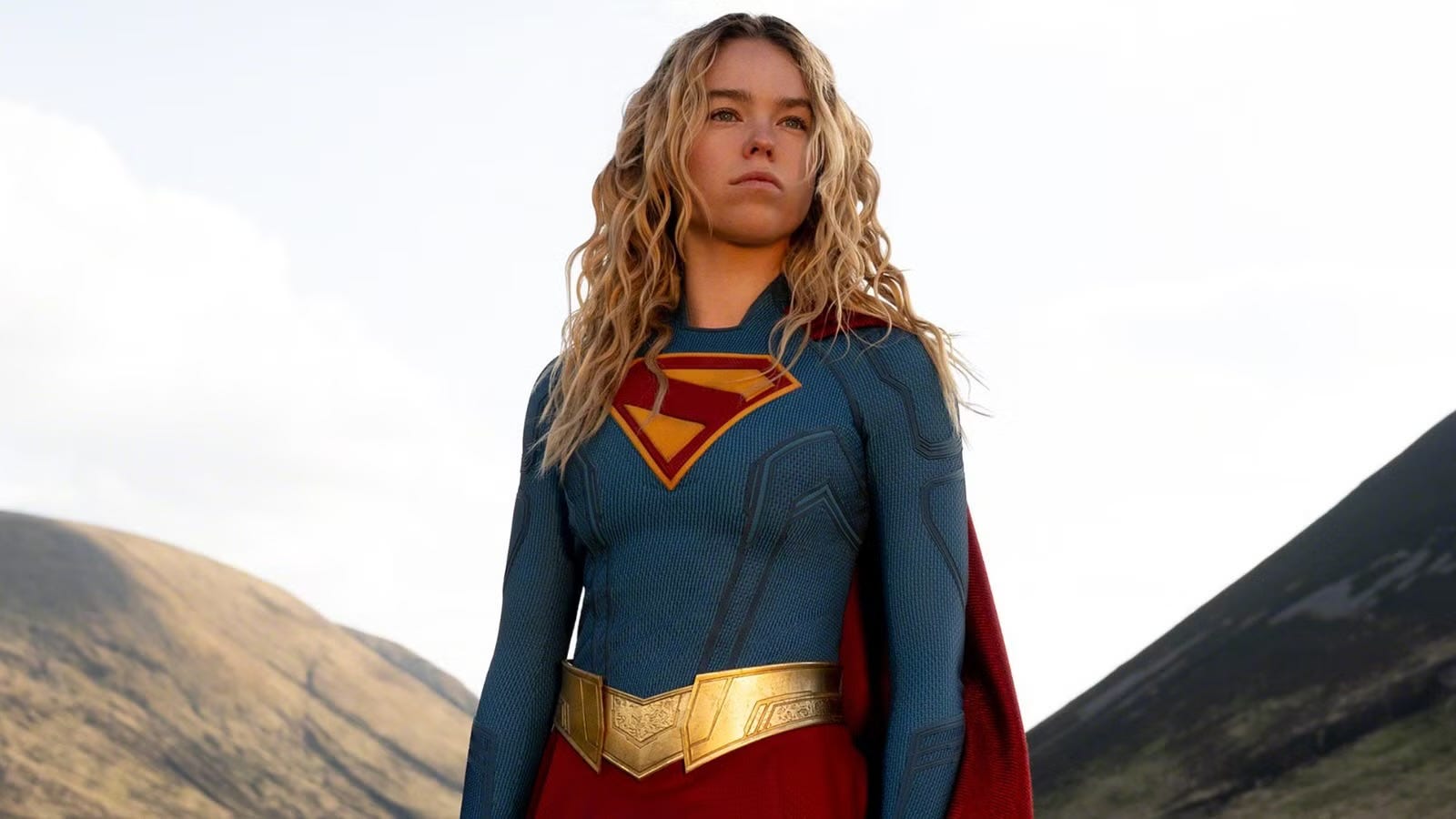
One would, perhaps unfairly, assume that a Supergirl film would lean into the immaturity and infancy implied by the word “girl”, and my only quarrel with this film is that it occasionally does. Although Kara’s personality definitely develops throughout the film, there are plenty of Americanised, almost cringeworthy moments of humour that perhaps wouldn’t have happened if the stereotype hadn’t been embraced.
The screenplay tries to strike a balance between an intense storyline and moments of short-lived humour, but many of Zor-El’s interactions seem empty – like a teenager going through their “hangover and hair of the dog” phase – whereas Ruthye Knoll is tenacious and driven, providing a much stronger backbone for the development of the plot.
Kara Zor-El’s powers don’t come into play until they’re necessary, which makes them feel slightly disconnected from the world you’ve immersed yourself in. No one else has similar powers to her, or can really match what she is capable of. It makes sense considering her ancestry, but within this relatively short introduction, it can come across as slightly disjointed.
As far as a main character goes, Kara Zor-El could definitely have found her feet more, although that might be exactly what the next film will bring.

On the topic of scene-stealers, Krypto the Superdog is a great addition – who doesn’t love a storyline that includes an entirely devoted little pooch?
All in all, this film set a new standard when it comes to Hollywood and young talent. Undoubtedly, Craig Gillespie and James Gunn took a risk by tackling such a historic character and franchise in Superman, while giving the platform to less established, but absolutely tremendous, actors.
Supergirl wasn’t perfect, but it had great foundations as a film.
As a woman working in the media industry, it’s refreshing to see what the future holds for adaptations like Supergirl, and after her outstanding performances in House of the Dragon, it’s irrefutable that we’ll be seeing much more of Milly Alcock.
Edited by Emily Duff